El Paso Senior In-Home Help: What to Expect From the First Visit

Posted by atahanbozkus on December 15, 2025
General / No Comments

Why the first visit matters more than most families expect
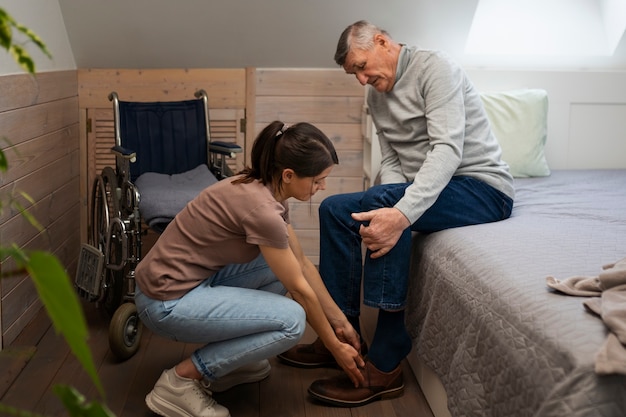
elderly person being taken care of by female caretaker

Photo by Freepik

The first in-home visit is not just “the start date.” It’s the moment your household learns whether this support will actually make life easier—or just add another moving part to manage.

Families often go into the first visit with two emotions that don’t mix well: relief and worry. Relief that help is finally here. Worry that the help won’t fit, the older adult won’t accept it, or the whole thing will feel invasive. And if you’re the adult child coordinating everything, you might be carrying a third emotion too: guilt. The quiet kind that shows up when you can’t be there every hour.

If you’re looking for in-home care available for seniors in El Paso TX, the first visit is where reassurance is either earned or lost. It’s where trust gets built through small details: how the caregiver introduces themselves, whether they speak to your loved one directly, whether they move at a respectful pace, and whether they notice the “tiny risks” in the home that turn into big setbacks later.

This guide is here to remove the guesswork. You’ll know what should happen, what you should prepare, and what signals tell you, early, whether you’ve got a good match.

Three takeaways you’ll get from this:

  1. A clear step-by-step flow of a strong first visit (so you can recognize quality).
  2. A “reassurance checklist”—what good care looks like within the first hour.
  3. A practical way to adjust the plan after day one without starting over.

And yes, this is the kind of first-visit structure many families ask Always Best Care to provide—calm, organized, and tailored to the person, not the brochure.

Quick answers: what the first visit is, how it works, what to prepare

What is the first visit in senior in-home help?

The first visit is the initial in-home shift where the caregiver begins support and confirms the care routine in the real environment—how your loved one moves, what help is truly needed, and what matters most for comfort and dignity. It’s part service, part observation, part relationship-building.

For context, “home care” (often called home care) typically focuses on non-medical help with daily routines, while clinical services (when needed) are usually handled by licensed medical professionals under a separate plan.

How does the first visit usually work?

old woman doing fitness exercises

Photo by Freepik

Most first visits follow a simple pattern: introduction, quick orientation to the home, confirmation of priorities, then hands-on support with one or two key routines (often meal support, mobility assistance, or personal care). The caregiver should communicate what they’re doing and why—without turning the home into a “project.”

A strong caregiver supports activities of daily living like bathing, dressing, toileting, and meals—always within the boundaries of non-medical care.

What should we prepare before the caregiver arrives?

Prepare just enough to reduce friction:

  • Emergency contacts and key medical info (in a simple list)
  • Preferred routines (wake time, meals, bathing preferences)
  • A clear space to work safely (especially bathroom and kitchen)
  • A short list of “please watch for this” concerns (falls, dizziness, confusion patterns)

You don’t need a perfect house. You need clarity.

Before the caregiver arrives: a prep checklist that prevents awkwardness

If you want the first visit to feel smooth, don’t prep by cleaning your baseboards. Prep by removing uncertainty. Most first-visit stress comes from tiny avoidable gaps: no one knows where the shower chair is, the medication list is outdated, the older adult feels ambushed, or the family expects the caregiver to “just know” what matters.

Here’s a prep checklist that actually helps.

1) Align on the goal for day one

Pick one primary goal and one secondary goal. Examples:

  • Primary: safe shower with dignity
  • Secondary: light lunch + hydration routine
    Or:
  • Primary: safe mobility + toileting support
  • Secondary: reduce fall risks in the hallway

When families try to cram five goals into day one, everyone feels rushed.

2) Create a one-page “home snapshot”

A simple sheet (paper is fine) with:

  • Full name, preferred name, and how they like to be addressed
  • Emergency contact(s)
  • Mobility notes (walker? cane? unsteady after sitting?)
  • Food preferences and allergies (if applicable)
  • Communication notes (hearing issues, memory cues that help)
  • “What calms them down” and “what annoys them” (this is gold)

This helps the caregiver treat your loved one like a person immediately, not a task list.

3) Stage the essentials where care happens

  • Bathroom: towels, soap, clean clothes, non-slip mat
  • Kitchen: a few easy meal options, water bottle/cup they like
  • Bedroom: comfortable clothing, mobility device nearby

It’s not about convenience for the caregiver. It’s about reducing pauses where your loved one feels exposed or uncertain.

4) Talk to your loved one before the visit

Not a big speech. Just a straightforward frame:

  • “Someone is coming to help make the day easier and safer.”
  • “You’re still in charge. We’re just adding support.”
  • “We’ll try it and adjust.”

If your loved one feels tricked, the first visit becomes a battle for control. If they feel respected, it becomes cooperation.

A small but important note about boundaries

In most non-medical home care arrangements, the caregiver does not administer medications unless permitted under local rules and care policies. They can usually provide reminders and support routines. If you’re unsure, ask the agency directly and align with the discharge plan or physician instructions. Medication safety is serious.

For local grounding, El Paso, Texas is spread out, and families often coordinate care around commutes, appointments, and cross-town drives. That makes having a clear first-visit plan even more valuable—because “we’ll figure it out later” tends to turn into missed timing.

What actually happens during the first visit (step-by-step)

A good first visit has a calm pace and a clear flow. Here’s what you should expect, in order.

Step 1: Arrival and respectful introduction

The caregiver should:

  • Introduce themselves to your loved one first (not just the family)
  • Confirm how your loved one wants to be addressed
  • Explain what they’ll do today in simple terms
  • Ask permission before entering private spaces (bedroom, bathroom)

This sets the tone: dignity and consent.

Step 2: Quick safety orientation

Not a home inspection. A fast scan:

  • Where are the bathrooms?
  • Any stairs that matter?
  • Where is the walker/cane kept?
  • Any pets that could trip someone?
  • Where are common “pinch points” (tight hallway, slippery entry)

Falls are the most common fear families mention, and for good reason. A caregiver should naturally think about falls prevention without making the older adult feel fragile.

Step 3: Confirm priorities and preferences

This is where quality shows. The caregiver should ask things like:

  • “What’s usually the hardest time of day?”
  • “What do you want help with today?”
  • “What do you want to keep doing yourself?”

You want support that preserves independence where it’s safe, not support that takes over.

Step 4: Begin with a “confidence builder” task

Great caregivers often start with something that creates early success:

  • Make tea and sit together for a few minutes
  • Help organize a comfortable chair area
  • Do a simple breakfast routine
  • Assist with a short walk to test steadiness

Why? Because it lowers anxiety and creates trust before more intimate tasks.

Step 5: Hands-on support with the key routine

Common first-visit routines include:

  • Safe shower / grooming
  • Meal prep and hydration
  • Mobility support and light movement
  • Toileting support and bathroom safety setup
  • Light tidying to clear pathways

The caregiver should narrate just enough:

  • “I’m going to place this towel here so you don’t have to twist.”
  • “Let’s pause before standing—no rush.”
  • “Would you like the water warmer or cooler?”

Those small choices feel like respect.

Step 6: Documentation and family update

At the end, you should get a clear summary:

  • What went well
  • What was harder than expected
  • Any safety concerns noticed
  • Suggested adjustments (hours, tasks, timing)

If the first visit ends with vague positivity—“Great, everything’s fine!”—push for specifics. Reassurance is built on detail, not cheerleading.

For role clarity, a caregiver in non-medical home care usually supports daily function and safety. If skilled medical care is needed, the plan should involve appropriate licensed professionals.

What “good” looks like in real life: reassurance signals vs. red flags

A family can often tell within the first hour whether the support feels steady. Here’s how to name what you’re sensing, so you can act on it.

Reassurance signals (green flags)

  • Your loved one is spoken to directly and offered choices.
  • The caregiver moves at your loved one’s pace, not the schedule’s pace.
  • The caregiver asks permission before helping physically.
  • The caregiver notices small risks (slippery mat, cluttered corner) without judgment.
  • The caregiver keeps things simple—no overwhelming “program.”
  • You get a clear recap at the end that makes you feel more informed.

Most importantly: your loved one seems a little less guarded by the end of the shift. That’s a win.

Red flags (things that usually get worse, not better)

  • The caregiver talks mostly to the family, not the older adult.
  • The caregiver rushes personal care or treats it like a checklist.
  • They rearrange the home dramatically without asking.
  • They seem uncomfortable with mobility support or transfers.
  • They can’t explain what they did today in clear, practical terms.

Here’s the uncomfortable truth: families sometimes ignore red flags because they’re exhausted and don’t want to restart the search. But if the first visit feels wrong, the second and third visits rarely magically fix it.

This is exactly why choosing in-home care available for seniors in El Paso TX should be about fit and systems, not just availability.

Common first-visit hiccups—and how to fix them fast

Even good first visits can have friction. The goal isn’t perfection; it’s quick correction.

Hiccup 1: Your loved one resists help

This is common, especially if care feels like a loss of independence.
What helps:

  • Start with companionship + light support, then build
  • Let the older adult choose the order of tasks
  • Use “I’m here to make it easier” language instead of “you need this”
  • Avoid family members correcting the older adult in front of the caregiver

If resistance continues, it’s not a failure. It’s information about how care needs to be introduced.

Hiccup 2: Family expectations don’t match the care plan

Sometimes the family expects heavy housekeeping, deep cleaning, or complex medical tasks. Non-medical home care usually focuses on safety, daily routines, and light household support connected to care. Fix this by:

  • Clarifying task boundaries with the agency immediately
  • Listing “must-have” tasks vs “nice-to-have” tasks
  • Adjusting hours if the plan is unrealistic

Hiccup 3: The schedule timing is wrong

Families often book “convenient” hours instead of “risky” hours. If mornings are shaky, mornings need coverage. If evenings are when falls happen, evenings need coverage. Fix it by tracking:

  • hardest time of day
  • appetite/hydration patterns
  • mobility changes after sitting/standing
  • mood changes late afternoon

Hiccup 4: Communication is too little or too much

Some families want constant updates; some want silence. Neither extreme works.
Fix it with a simple agreement:

  • one daily summary
  • immediate call for specific triggers (fall, fever, confusion spike, refusal to eat)

A good agency welcomes this clarity.

After the visit: how the care plan should tighten up

caregiver and old man looking on the window

Photo by Freepik

The first visit shouldn’t end the conversation—it should sharpen it.

Here’s what a strong post-visit adjustment looks like:

1) Update the care plan with real observations

Not just “help with bathing.” Real observations:

  • “Needs standby assist for transfers from chair.”
  • “Prefers shower after breakfast, calmer that way.”
  • “Gets dizzy if standing too quickly—pause before walking.”

2) Adjust the schedule to match real-life stress points

If the first shift revealed the true “hard hours,” adjust quickly. This is where agencies differ: some can pivot smoothly, others drag their feet. Your stress doesn’t wait.

3) Confirm caregiver consistency

Older adults often do better with consistency. If multiple caregivers will rotate, ask:

  • Who will be the primary?
  • How are notes shared between caregivers?
  • How are preferences protected?

4) Decide what “success” means by week two

Pick 2–3 measurable outcomes:

  • fewer near-falls
  • consistent meals/hydration
  • safe bathing routine without arguments
  • family caregiver sleeping better

When outcomes are clear, care improves faster.

This is the moment where many families choose to formalize ongoing support with a provider like Always Best Care, because the plan becomes predictable—and predictability is what creates reassurance.

How much support is typical (and how to avoid overbooking or underbooking)

How much in-home support do seniors typically start with?

There’s no single number, but most families start with coverage in the highest-risk windows (often mornings or evenings) and adjust after the first few visits. The “right amount” is the amount that stabilizes safety and routine without stripping independence.

A practical table: match hours to the real need

Situation in the Home What You’ll Notice A Common Starting Point What to Watch in Week One
Morning instability dizziness, slow transfers, bathroom risk 3–4 hours in the morning fewer rushed moments, steadier start
Personal care needs bathing is stressful or unsafe 2–4 visits/week timed to preference dignity preserved, no rushing
Meal/hydration inconsistency skipping meals, low fluids midday check-ins or meal prep blocks energy improves, fewer headaches
Family caregiver burnout exhaustion, missed work, irritability 4–6 hour blocks 2–4 days/week family regains stamina
Post-hospital transition fatigue, weakness, higher fall risk longer daytime blocks initially setbacks decrease, routine forms

How much does in-home support cost?

Costs vary by hours, scheduling, and local market. Treat any numbers you hear online as estimates, not guarantees. Ask for:

  • hourly rate
  • minimum shift length
  • weekend/holiday policies
  • cancellation rules

If the plan involves recent discharge or complex conditions, align the home care plan with clinician guidance. Safety always outranks convenience.

A smart next step for El Paso families

female caretaker with client at home doing her job

Photo by Freepik

The first visit should leave you with fewer unanswered questions, not more. You should feel a small shift: the house is steadier, the routine is clearer, and your loved one feels respected—not managed.

If you’re still searching for in-home care available for seniors in El Paso TX, use the first visit as a real test. Ask for specifics. Watch pacing. Notice dignity. Demand clarity in the recap. That’s how you choose support you can actually trust.

The goal isn’t to “start care.” The goal is to start a routine that holds up when life gets messy.

FAQs

1) Should a family member stay for the entire first visit?

It helps if someone is present for the first 15–30 minutes to share priorities and answer questions, then step back if your loved one is comfortable. Sometimes privacy helps cooperation, especially during personal care.

2) What if we don’t like the caregiver after the first visit?

Say it quickly and specifically: “The pace felt rushed,” or “Communication didn’t feel respectful.” A strong agency will adjust and rematch without making you feel guilty.

3) What information should we never forget to share?

Mobility risks (falls, dizziness), cognitive concerns (confusion patterns), and what “calms” your loved one when anxious. Those three reduce setbacks more than most paperwork.

4) Can the caregiver drive my loved one to appointments?

Policies vary by agency and insurance arrangements. Ask about transportation options, documentation, and whether the caregiver can use the client’s car.

5) What’s the clearest sign the first visit went well?

Your loved one seems less tense and the family feels more informed—because the caregiver provided a specific, practical recap and a clear plan for the next shift.

Finding Home Care Close to You: Questions Families Should Ask First

Posted by atahanbozkus on December 15, 2025
General / No Comments

The Mistake Families Make First: Shopping for Hours Instead of Outcomes

young asian female nurse care giver helping asian senior old man with mobility walker in living area of nursing home senior daycare centernurse take care elderly patient with cheerful concentrate

Photo by Freepik

When families start looking for care, they often ask the most natural question: “How much per hour?” It’s logical. It’s also incomplete.

Because the thing you actually want is not an hourly rate. It’s an outcome:

  • fewer falls
  • fewer missed medications (as directed by clinicians)
  • steadier meals
  • safer bathing
  • calmer evenings
  • less caregiver burnout

And here’s the mildly contrarian truth: cheaper care that doesn’t stabilize the day is expensive in the long run. It costs you sleep, time off work, repeated crises, and that constant feeling that you’re one bad day away from a bigger decision.

That’s why people search for nearby home care services available in your area—they’re not looking for a brochure. They’re looking for something that actually holds the household together.

This guide gives you the questions that matter first, before you get pulled into vague promises or confusing packages.

Three takeaways you’ll get:

  1. A one-page way to define what you need so you don’t get sold what you don’t.
  2. A question set that reveals whether a provider can deliver consistency and safety, not just friendliness.
  3. A practical plan for the assessment and first week—because that’s when reality shows up.

If you’re speaking with Always Best Care, these questions will work in your favor. Clear questions create clear answers—and clear answers prevent regret.

What Does “Home Care Close to You” Actually Mean?

Home care close to you means in-home support that is geographically and operationally local enough to provide consistent staffing, reliable scheduling, and responsive communication for your specific neighborhood or town.

That’s the direct answer. Here’s the part people skip: “close” isn’t a distance; it’s a capability.

A provider can claim they serve your area and still struggle to:

  • staff evenings and weekends
  • find consistent caregivers
  • fill last-minute call-offs
  • keep communication tight

So when you’re evaluating nearby home care services available in your area, you’re really evaluating operational strength: can they cover the hours that actually matter and communicate like adults when something changes?

A bit of helpful context: what most families call “home care” often aligns with home care services—support with daily living tasks, routine stability, safety, and companionship. It is not the same as medical treatment. It complements clinical guidance by making daily life safer and more doable.

Clarify Your Needs in One Page

Before you call anyone, do this. It saves time, money, and frustration.

Your one-page “care snapshot”

Write short, specific answers to these:

  1. Who needs care? (age isn’t enough—describe the day)
  2. What are the top 3 risks? (falls, wandering, missed meds, bathing, transfers)
  3. What time windows are hardest? (mornings, evenings, nights, weekends)
  4. What level of help is needed?
    • reminders/cueing
    • standby supervision
    • hands-on assistance
  5. What tasks are non-negotiable?
    • bathing support
    • meal prep
    • mobility support
    • companionship/supervision
  6. What does a “good week” look like?
    • meals eaten
    • meds taken correctly (as directed)
    • no near-falls
    • calmer mood
  7. Family constraints: who can help, when, and what breaks them

This snapshot turns your search from “tell me your services” into “can you solve these exact problems?”

It also prevents the most common mismatch: buying hours at midday when the real danger is the morning bathroom routine or the evening fatigue spiral.

The Questions That Separate Real Providers From Nice Talk

front view of elder women with medical masks and copy space

Photo by Freepik

Now we get to the heart of it. These questions are designed to force specifics.

Category 1: Care plan and daily routine

Ask:

  • “Walk me through a typical shift hour by hour.”
  • “How do you build routines that reduce falls and rushing?”
  • “How do you handle bathing safely and respectfully?”
  • “What do you do when the person refuses care?”

Good answers sound like steps and strategies, not generic reassurance.

Category 2: Consistency and caregiver matching

Ask:

  • “How do you match caregivers to clients?”
  • “How do you reduce caregiver turnover for this case?”
  • “If we need consistency because of memory issues, what’s your plan?”

This matters more than people think. Consistency often equals cooperation.

Category 3: Communication and documentation

Ask:

  • “Will caregivers keep a daily log? What do they document?”
  • “How will the family get updates?”
  • “What triggers a call to the family?”

If communication is fuzzy, problems get missed.

Category 4: Scheduling and backups

Ask:

  • “What happens if a caregiver calls out?”
  • “Do you have backup staff for our time windows?”
  • “How much notice do you typically give if schedules change?”

Here’s where “local” becomes real: can they reliably cover your hours?

A practical comparison table you can use

Question A strong answer includes A weak answer sounds like
“How do you handle refusal?” calm approach, cueing, pacing, alternatives “We’ll try our best”
“How do you prevent falls?” routine changes, transfer support, home hazard awareness “We’re careful”
“What if someone calls out?” specific backup process and communication timeline “We’ll see what we can do”
“How will we get updates?” daily logs + escalation rules “You can call anytime”

If you’re talking with Always Best Care, don’t be shy about asking these directly. A professional operation expects professional questions.

And yes—this sounds strict. It should. You’re not hiring vibes. You’re building a safety system.

The In-Home Assessment: What to Watch for in Real Time

A phone call can sound perfect. The home visit shows reality.

What a good assessment should include

  • asking about the person’s typical day (not just diagnoses)
  • identifying high-risk transitions (bed, toilet, shower, stairs)
  • reviewing time windows (when support matters most)
  • discussing caregiver matching and communication
  • walking through the home for hazards (clutter, rugs, lighting, tight turns)

What you should watch for

  • Do they ask detailed questions, or do they jump to pricing?
  • Do they talk about routines and safety, or only tasks?
  • Do they notice the hallway rug everyone trips over?
  • Do they ask how the person feels about help (important for cooperation)?

Small judgment call: if the assessment feels rushed or salesy, that’s information. A careful assessment usually predicts careful care.

“The first week isn’t about perfection—it’s about whether the plan survives normal human messiness.”

That’s the standard I’d use.

Trust and Safety: Background Checks, Training, and Supervision

grand parent learning to use digital divice

Photo by Freepik

This section matters because trust is not a feeling. It’s a process.

What to ask about safety and oversight

  • “Do you conduct background checks?”
  • “What training do caregivers receive for mobility support and dementia-friendly routines?”
  • “How are caregivers supervised? Who checks quality?”
  • “How do you handle incidents or near-misses?”

You’re not being difficult. You’re being responsible.

This is also where many families discover they need clearer terms:

  • Who do you contact after hours?
  • How are concerns documented?
  • What’s the escalation path if something changes?

If you want more context on the bigger picture: care for older adults often overlaps with geriatrics principles—function, safety, and quality of life. You’re aiming for a home plan that supports those goals consistently.

Scheduling Reality: Consistency, Call-Offs, and Backup Plans

Here’s where I’m going to say something slightly unpopular: the best caregiver in the world can’t help you if the schedule collapses.

So you need to evaluate operational reliability as much as personal warmth.

Ask:

  • “Can you cover mornings consistently?”
  • “Can you cover evenings consistently?”
  • “Do you have weekend coverage?”
  • “How often do families experience last-minute changes?”
  • “How do you keep caregiver assignments stable?”

If the person receiving care struggles with memory changes, frequent caregiver swaps can create anxiety and resistance. That’s not anyone’s fault; it’s just how humans work. Consistency is often the quiet ingredient that makes routines possible.

This is why nearby home care services available in your area should be judged by real scheduling capability, not just proximity.

And one more reality: even strong providers will have occasional disruptions. What matters is the backup plan and the communication speed. A missed shift isn’t just inconvenient—it can be dangerous if it hits bathing, transfers, or nighttime supervision.

How Much Does Home Care Cost—and How Do You Avoid Overpaying?

Home care cost varies by region, schedule, and level of assistance. That’s the direct answer. Anyone giving you a single number without questions is guessing—or selling.

Cost drivers that matter

  • number of hours per week
  • high-demand time blocks (evenings, weekends, overnights)
  • level of hands-on support
  • need for consistency (which can affect staffing strategy)
  • special supervision needs (wandering risk, fall risk)

How to avoid overpaying

  1. Buy coverage for the riskiest windows first (often mornings/evenings).
  2. Don’t pay for “presence” when you need “hands-on skill.”
  3. Don’t pay for hours you won’t use well. Better fewer hours that stabilize the day than many hours that float.
  4. Reassess after 7–14 days. Reality changes the plan.

A small detour that matters: many families try to muscle through until they’re burned out. Then they need more hours, urgently, under stress. That urgency often costs more—financially and emotionally. A steady plan can be cheaper than crisis response.

If you’re budgeting with Always Best Care, ask them to justify hours based on your risk windows, not on a generic template.

And if caregiver strain is part of your decision, it’s worth understanding caregiver burden as a real, measurable strain—not just a feeling you should push through.

The Decision That Protects the Next 90 Days

old man fist bumping nurse in a nursing home

Photo by Freepik

If you want a simple way to make this decision: stop trying to predict the next year. Build a plan that makes the next 90 days safer and calmer. That’s a meaningful win.

Here’s your next step:

  • Write your one-page care snapshot.
  • Call providers and ask the same set of questions.
  • Choose the option that can reliably cover your riskiest windows and communicate clearly when anything changes.

If you’re choosing Always Best Care, use that same standard: consistency, safety, communication, and a plan that adapts when the week gets messy.

A good care plan doesn’t just help someone stay at home. It helps the whole household breathe again—and that’s worth doing right.

FAQs

  1. What’s the first question I should ask a home care provider?
    “Walk me through a typical shift hour by hour.” It forces specificity and reveals whether they understand routines, safety, and real-life care flow.
  2. How do I know how many hours we need?
    Start with the two highest-risk daily windows (often mornings and evenings). Stabilize those first, then reassess after 1–2 weeks based on real patterns.
  3. Should we prioritize consistency or flexibility?
    Both matter, but if memory changes are involved, consistency often comes first. Flexibility is only helpful if it doesn’t create constant caregiver swapping.
  4. What’s a red flag during an in-home assessment?
    If the assessment feels rushed, overly sales-focused, or avoids detailed questions about bathing, transfers, and risky time windows, that’s a sign the plan may be generic.

Waconia Essential Assistance: A Family Checklist for Safer Daily Living

Posted by atahanbozkus on December 15, 2025
General / No Comments

When “Doing Fine” Quietly Stops Being Fine

medium shot senior man holding tablet

Photo by Freepik

Most families don’t wake up one day and announce, “We need home care.” It’s usually smaller than that. It’s noticing the fridge has more expired food than real meals. It’s realizing your mom hasn’t gone downstairs in a week. It’s the way your dad says, “I’m fine,” but also hasn’t showered because the bathroom feels slippery. It’s the quiet math of aging: the day still looks normal, but it takes more effort than it used to.

And in Waconia, that “quiet math” can get louder fast. A slick driveway. A front step with a little ice. A short winter day where the porch light matters more than anyone wants to admit. Suddenly “just one errand” becomes a risk calculation.

Here’s the hard part: families often react in two extremes. They either do nothing (because nobody wants to overreact), or they do everything at once (because they waited until panic arrived). Both approaches are exhausting.

This guide is the middle path: essential assistance—practical help that stabilizes daily life so your loved one can stay safer, steadier, and more independent at home.

Let’s make safer daily living feel doable again.

What Essential Assistance at Home Actually Includes

What is essential assistance in home care?

Essential assistance in home care is practical, non-medical support with everyday tasks—meals, hygiene, safe movement, light housekeeping, laundry, routine reminders, and companionship—designed to reduce risks (like falls), prevent daily tasks from piling up, and help an older adult function safely at home.

That definition matters because “essential” is not the same as “everything.” Essential assistance targets the parts of the day that tend to break first: the routines that keep the week stable.

Most support falls into two categories:

In practice, families usually notice IADLs failing first, because they’re easier to hide. Someone can skip laundry for weeks. They can eat crackers for dinner. They can stop changing bed sheets. Those aren’t emergencies—until they start feeding bigger ones: weakness, falls, confusion, infections, burnout.

Essential assistance isn’t “taking over.” It’s removing the daily friction that turns normal life into a slow-motion crisis.

If you’re searching for home care providing essential assistance in Waconia MN, you’ll get the best results when you treat the plan like a stabilizer: small, consistent supports that make the whole week less fragile.

The Waconia Reality: Seasons, Driveways, and “Just One Errand”

Every town has its quirks. Waconia has the kind that sneak into daily safety.

Winter turns ordinary tasks into risk

You can do everything “right” and still run into:

  • icy entryways
  • wet boots tracking water onto smooth floors
  • early darkness that makes steps harder to see
  • fatigue from layering up and moving slower

When someone’s balance, strength, or reaction time is a little reduced, winter conditions can turn the front door into the most dangerous room in the house.

Errands are energy-expensive

Even in good weather, errands aren’t just “a quick trip.” They include:

  • getting dressed and finding keys
  • walking to the car
  • getting in and out of the vehicle
  • navigating parking lots
  • carrying bags
  • unpacking and putting items away

The older adult may still insist they can do it—and sometimes they can. But if the cost is two days of recovery, it’s not really a win.

So what’s the practical move?

Plan support around:

  • seasons (winter entryway and walkways are non-negotiable)
  • time of day (mornings and evenings are often highest risk)
  • energy patterns (off days need a plan, not a lecture)

This is why essential assistance is often more effective than “big help” in bursts. It’s consistent enough to prevent that slow slide.

Family Checklist Part 1: Safety Setup That Doesn’t

Feel Like a Facility

old and young man holding hands close up

Photo by Freepik

You don’t need a remodel. You need fewer traps.

Falls are a major risk for older adults, and the consequences can be serious (see fall). But most fall prevention isn’t fancy. It’s lighting. It’s clutter. It’s pacing. It’s whether the bathroom setup makes sense.

Quick rule before you start

If a change makes the home feel like a facility, you’re more likely to face resistance. The goal is safety that looks like convenience.

Room-by-room essentials

Here’s a checklist you can actually work through. Do what you can in one weekend. Don’t try to perfect it.

Area What to Check Why It Matters Quick Fix
Entryway Clear path, stable place to sit, good lighting Slips + rushed transitions Add a sturdy bench/chair, brighter bulb, non-slip mat
Hallways Clutter lanes, cords, rugs Trip hazards Remove throw rugs or secure them, tape down cords
Bathroom Non-slip surfaces, grab support, supplies within reach High fall risk + awkward movements Flat non-slip mat, staged towels, consider grab bars
Bedroom Clear path to bathroom, night lighting, chair with arms Nighttime falls Night lights, move clutter, add stable chair
Kitchen Items at waist height, stable step rules Reaching/bending increases dizziness and strain Reorganize daily-use items to easy heights
Living room Stable seating, clear walking paths Transfers are risky when tired Chairs with arms, move coffee table if needed

One detail families underestimate: lighting

If you do only one “home setup” change, improve lighting:

  • motion night lights from bedroom to bathroom
  • brighter bulbs near steps and hallways
  • a lamp near the favorite chair so someone isn’t walking in dim light

Lighting doesn’t feel medical. It just feels… nicer. And it reduces risk immediately.

The home doesn’t need to be perfect. It needs to be predictable.

Family Checklist Part 2: Daily Routines That Reduce Risk

A safer home matters, but routines are what keep safety consistent.

A copy-and-use day template

This template is meant to work on normal days and off days. Adjust the times, keep the sequence.

Morning (the “start-up” window)

  • Hydration within reach first
  • Bathroom routine (unhurried)
  • Simple breakfast (repeat breakfasts are allowed)
  • Light movement (walk to the mailbox, stretch, or a short indoor loop)
  • One small task (mail, tidy, laundry fold seated)

Midday (the stability window)

  • Lunch and hydration
  • Planned rest (not “collapse when exhausted”)
  • One engagement activity (music, simple conversation, sorting photos)

Afternoon (the temptation window)
This is where people overdo it because they feel okay.

  • Keep tasks short
  • Build a break before fatigue hits
  • Avoid stacking errands and chores on the same day

Evening (the safety window)

  • Simple dinner
  • Medication routine (as applicable)
  • Home reset: clear walking paths, set out items for tomorrow
  • Wind-down: lower lighting, reduce noise, predictable bedtime routine

What changes when it’s an “off day”?

On low-energy days, the goal is not productivity. The goal is:

  1. meals/hydration
  2. bathroom safety
  3. medication routine (as applicable)
  4. one tiny movement moment (even a short walk to the kitchen and back)

That’s it. A good essential-assistance plan doesn’t punish off days. It adapts to them.

Family Checklist Part 3: Meals, Meds, and Mini-Systems

medium shot people with tea cups

Photo by Freepik

Daily living gets safer when small systems exist. The two systems with the biggest payoff are meals and medication routines.

Meals: reduce decision fatigue

Families underestimate how exhausting food decisions are when energy is low. The goal is to make eating inevitable.

Practical mini-systems:

  • a “default breakfast” (same simple meal most days)
  • two “default lunches” (sandwich + fruit, soup + crackers, etc.)
  • three easy dinners that repeat weekly
  • visible snacks and water in the main living area

No one wins a prize for variety if the outcome is skipped meals.

How does medication support work at home?

Medication support at home typically includes reminders, organizing routines (like a weekly pill organizer), refill tracking, and simple documentation of whether doses were taken. It’s designed to reduce missed doses and stress, not to replace clinical decisions. For background, see medication.

The best medication routine is boring:

  • one med list (the “source of truth”)
  • one storage location
  • one reminder method
  • one tracking method

Simple documentation that prevents mistakes

You do not need a complicated chart. Use a notebook or a single-page tracker:

  • morning meds: taken yes/no
  • evening meds: taken yes/no
  • notes: unusual dizziness, appetite changes, mood changes

If symptoms suddenly change or worsen, that’s a clinician call—not a “wait and see” moment.

This is where essential assistance becomes real support. A caregiver can keep routines steady when family can’t be there every morning and evening.

How to Decide What Help to Add First

If you’re unsure where to start, don’t start with “How many hours do we need?” Start with:

What’s the hardest part of the day to keep safe and consistent?

Usually it’s:

  • mornings (start-up + bathroom + breakfast)
  • evenings (fatigue + dinner + bedtime safety)
  • weekly home reset (laundry + clutter + meal prep)

Table: tasks to delegate first

Use this to choose the highest-impact support first.

Task Why It’s High-Impact Who Often Struggles Most First Support Move
Showering/bathing routine Fall risk + avoidance Anyone with balance issues, fear Add a weekly bathing support visit
Meal prep + cleanup Prevents skipped meals Anyone with low stamina Add meal support 2–3x/week
Laundry + bedding Prevents clutter and hygiene issues Anyone with back/knee pain Add one “reset shift” weekly
Grocery support Saves energy and reduces driving risks Anyone who tires easily Outsource groceries first
Evening routines Prevents unsafe nighttime movement Anyone with fatigue Add evening support 2–4 hrs

This is also where family boundaries matter. If one person is doing 80% of care, burnout is predictable. The term caregiver burden exists for a reason. The goal is a system that doesn’t rely on one person’s constant exhaustion.

Cost and Scheduling in Waconia

How much does essential assistance home care typically cost?

Essential assistance home care is usually billed hourly, and total cost depends primarily on how many hours per week you schedule, minimum shift lengths, and the complexity of support. Rates vary locally, so the most useful approach is to get a clear hourly quote and do monthly math based on your schedule. Any figures you see online should be treated as estimates until confirmed.

Instead of guessing, build a schedule that matches the problem.

A realistic “start small” schedule

Here are three schedules that often work well for essential assistance:

  • Option A: Morning stabilizer (3 days/week, 2–3 hours)
    Hygiene support, breakfast, light home reset, med reminders.
  • Option B: Evening stabilizer (3–5 days/week, 2–3 hours)
    Dinner, hydration, safer wind-down, bedtime setup.
  • Option C: Weekly reset (1 day/week, 4–5 hours)
    Laundry, bedding change, kitchen reset, light meal prep.

If the goal is home care providing essential assistance in Waconia MN, starting small is not indecisive. It’s smart. You learn what actually helps before you pay for more hours than you need.

Choosing a Provider and Getting the First Week Right

medium shot smiley doctor and patient

Photo by Freepik

The first week sets the tone. If it’s chaotic, the older adult feels invaded. If it’s too vague, the caregiver is guessing.

Questions worth asking

  • “What does essential assistance look like in your care plans?”
  • “How do you handle caregiver call-outs or schedule changes?”
  • “How do you document updates for family?”
  • “How do you support independence instead of taking over?”
  • “What’s your plan for winter safety and entryway risks?”

Green flags

  • They talk about routines and pacing, not heroics
  • They suggest starting with the hardest window of the day
  • Communication is clear (notes, updates, consistency)
  • They ask about preferences and dignity, not just tasks

Red flags

  • Overpromising (“We can fix everything quickly.”)
  • Vague communication (“All good!” with no specifics)
  • Rushed tone that treats the home like a job site

If you’re considering Always Best Care, the best use of that relationship is to define two measurable goals for the first two weeks—like “safer showers” and “consistent meals”—and then adjust based on what you actually see. Used well, Always Best Care should feel like the week got easier, not busier.

And yes, if you’re looking for home care providing essential assistance in Waconia MN, ask for a two-week review. Good care plans evolve.

A Safer Week Starts With One Small Upgrade

Your next step is simple: pick one high-risk routine (usually the bathroom routine or the evening wind-down) and stabilize it for two weeks. Stage supplies. Improve lighting. Clear walking paths. Add a small support shift if needed.

Safety isn’t built by motivation. It’s built by repeatable routines that survive real life in Minnesota—weather, fatigue, and all.

FAQs

1) What’s the best first type of help for safer daily living?
Most families see the fastest results from morning support (hygiene + breakfast) or evening support (dinner + wind-down). Start where the day is most fragile.

2) Will essential assistance reduce independence?
Not if it’s done “with” the person instead of “for” them. The goal is to offload risky or exhausting tasks while keeping the older adult involved where it’s safe.

3) What home changes reduce fall risk the fastest?
Better lighting, clearing walkways, removing loose rugs, and making the bathroom setup safer. These changes work immediately and don’t feel like a facility.

4) Can caregivers help with medication routines?
Often with reminders, organizing, refill tracking, and documentation—depending on the care plan and local rules. Confirm expectations with the provider.

5) How do we start without overcommitting?
Run a two-week trial with a focused schedule and two measurable goals (like consistent meals and safer bathing). Adjust based on what actually improves.

Encouraging Active and Safe Aging at Home: Quality Care Services at Home in Tacoma WA

Posted by atahanbozkus on September 07, 2025
General / No Comments

A New Approach to Aging at Home

old couple in a kitchen.

Photo by Freepik

Aging is a natural stage of life, but it doesn’t have to mean giving up comfort, independence, or activity. For many families in Tacoma and across the country, the idea of aging in place—remaining at home rather than moving to a facility—has become not only preferable but possible. With the right care strategies, seniors can thrive in their familiar surroundings while receiving the help they need.

What makes this approach so powerful is the balance it offers. Seniors enjoy the safety of professional support while maintaining the dignity of staying in their own homes. Familiar settings, cherished memories, and established routines remain intact, which greatly benefits both emotional well-being and overall quality of life.

In Tacoma, families are turning to trusted partners like Always Best Care Senior Services. Their dedicated Home Care Agency in Tacoma WA provides a wide range of personalized services tailored to ensure seniors remain active, safe, and fulfilled at home.

This article explores the ways families can encourage safe and active aging, the role of professional care, and the importance of creating a supportive environment that addresses both physical and emotional needs.

Why Active Living Matters for Seniors

Staying active isn’t just about keeping the body moving—it’s also about nurturing the mind and spirit. Research consistently shows that seniors who remain physically, mentally, and socially active experience better overall health, increased happiness, and a greater sense of purpose.

Physical Benefits

Regular movement helps maintain strength, balance, and flexibility, all of which reduce the risk of falls and injuries. Even simple activities like walking, stretching, or light gardening can significantly improve cardiovascular health and mobility. Exercise also strengthens bones, helping to ward off conditions like osteoporosis that are common in later life.

Mental Benefits

Activity supports mental sharpness. Seniors who engage in hobbies such as puzzles, reading, or playing games stimulate their brains, lowering the risk of cognitive decline and conditions like Alzheimer’s disease. Staying engaged mentally keeps memory and problem-solving skills strong.

Emotional Benefits

Isolation is one of the biggest challenges facing older adults. Active living combats loneliness by encouraging connection with others. Whether through social clubs, family visits, or community programs, engagement fosters belonging and emotional stability.

Remaining active is more than a health recommendation—it’s a pathway to joy and resilience. For seniors in Tacoma, opportunities abound to stay connected, moving, and fulfilled.

The Role of Safety in Aging at Home

arabic woman is teaching senior woman to use smartphone and smartwatch

Photo by Freepik

While activity is crucial, safety must always come first. Homes not designed for seniors can present risks that increase with age, making safety adjustments a top priority for families.

Fall Prevention

Falls are among the leading causes of injury for seniors. Simple changes—installing grab bars in bathrooms, using non-slip mats, and ensuring hallways are well lit—dramatically reduce risks. Clearing clutter and securing rugs prevents accidents, while mobility aids provide additional stability.

Medication Management

Proper medication use is essential to safety. Seniors often juggle multiple prescriptions, making mistakes easy. Families and caregivers can set up pill organizers or use digital reminders to ensure doses aren’t missed or doubled.

Emergency Preparedness

Every senior’s home should have a plan for emergencies. This might include wearable alert systems, accessible phones, and posted emergency numbers. Technology like motion detectors or remote monitoring can provide peace of mind for families who live farther away.

Safe Comfort

Safety isn’t only about preventing harm—it’s also about creating an environment where seniors feel comfortable and confident. Furniture should be arranged to allow easy movement, chairs should be supportive, and bedrooms should feel restful and secure.

By addressing safety concerns proactively, families protect their loved ones while giving them the freedom to stay independent at home.

Staying Socially Connected

depressed young woman sitting on sofa in front of nurse standing with wheel chair

Photo by Freepik

Social connection is as vital as physical safety. Seniors who remain engaged with others report higher levels of happiness, lower rates of depression, and even longer lifespans. Yet isolation is a growing issue among older adults, particularly those living alone.

Family and Friends

Regular visits, phone calls, and video chats keep seniors emotionally connected. Encouraging family meals, shared activities, or simple walks together provides companionship and reinforces bonds.

Community Engagement

Tacoma offers a variety of senior centers, local clubs, and church groups where older adults can participate in group activities. From exercise classes to volunteer opportunities, these outlets encourage interaction and friendship.

Technology for Connection

Digital tools help bridge the gap when physical presence isn’t possible. Teaching seniors to use video calls, messaging apps, or even social media allows them to stay in touch with loved ones. Technology also introduces opportunities for online classes, hobby groups, and faith services.

Social connection isn’t a luxury—it’s a necessity. Maintaining a vibrant social life ensures seniors continue to feel valued, needed, and part of a larger community.

Balancing Independence and Assistance

The greatest challenge for many families is striking the balance between offering support and respecting independence. Seniors often fear becoming a burden, while families worry about safety and health. The right approach combines both perspectives.

Encouraging independence starts with allowing seniors to make choices about their routines, meals, and activities. Respecting preferences—even small ones—shows dignity is a priority. Adaptive tools and mobility aids allow seniors to complete daily tasks on their own, building confidence.

At the same time, assistance should be available where necessary. Professional caregivers can step in for tasks such as meal preparation, transportation, or medication reminders. Families should focus on preserving the meaningful moments of connection rather than becoming overwhelmed by caregiving duties.

When independence and assistance are balanced, seniors thrive. They feel empowered to live life on their terms, while families rest assured knowing their loved ones are safe and supported.

Physical Wellness: Building Strength and Energy

elder woman with medical mask having her blood pressure checked at nursing home

Photo by Freepik

Physical health lays the foundation for safe and active aging. Seniors who stay physically well are more capable of enjoying daily life, participating in hobbies, and maintaining independence. In Tacoma, many opportunities exist for seniors to keep moving, from local fitness centers to gentle community walking trails.

Exercise for Seniors

Exercise doesn’t need to be intense to be effective. Low-impact activities like yoga, tai chi, and water aerobics promote balance, flexibility, and circulation. These activities reduce the risk of falls and ease joint stiffness. Walking groups are also a great way to combine movement with social connection.

Nutrition for Strength

A healthy diet is just as important as movement. Seniors need nutrient-rich meals filled with lean proteins, whole grains, fruits, and vegetables. Calcium and vitamin D are essential for bone health, while hydration keeps the body energized. Cooking at home with family or caregivers can make mealtime enjoyable and nutritious.

Preventive Care

Regular medical check-ups, screenings, and vaccinations keep health conditions under control. Monitoring weight, blood pressure, and blood sugar helps catch issues early, ensuring seniors remain strong and active. Preventive care is not just about avoiding illness—it’s about empowering seniors to live fully.

Physical wellness doesn’t mean perfection; it’s about making consistent, sustainable choices that keep the body resilient. With guidance and encouragement, seniors in Tacoma can maintain strength and vitality well into their later years.

Mental Wellness: Keeping the Mind Sharp

Just as the body needs movement, the mind requires stimulation. Mental wellness helps seniors stay alert, positive, and capable of handling daily challenges. Neglecting the mind can lead to faster decline, but with the right activities, seniors can stay mentally engaged for years.

Brain Exercises

Puzzles, crosswords, and strategy games like chess sharpen memory and problem-solving skills. Reading books, attending lectures, or participating in educational classes also stimulates the mind. Even learning new skills—like painting, cooking, or technology—keeps the brain active.

Managing Stress

Stress affects seniors just as it does younger adults. Practicing mindfulness, meditation, or breathing exercises helps calm the mind. Spending time in nature, whether in a backyard garden or Tacoma’s scenic parks, reduces stress and boosts mood.

Addressing Cognitive Decline

Conditions such as dementia require special attention. Creating memory-friendly routines, labeling items in the home, and using calendars or reminders help seniors stay organized. Music therapy and reminiscence activities can spark positive emotions and memory recall.

Mental wellness goes beyond sharp thinking—it creates joy, confidence, and resilience. Families who prioritize this ensure their loved ones not only live longer but live happier.

The Importance of Daily Routines

Consistency is a powerful tool in elder care. Daily routines provide structure, reduce anxiety, and help seniors feel in control of their lives. A predictable schedule also makes it easier for caregivers to support loved ones effectively.

Morning Routines

Starting the day with gentle stretching, a nutritious breakfast, and light activities sets a positive tone. A predictable morning helps seniors feel energized and focused.

Afternoon Engagement

Afternoons are perfect for social visits, hobbies, or walks. Whether gardening, crafting, or enjoying time with grandchildren, structured activity prevents boredom and restlessness.

Evening Comfort

Wind-down routines with light meals, calming music, or a favorite television program create comfort before bedtime. Ensuring that nighttime lighting is in place helps reduce fall risks during late-night bathroom trips.

Daily routines also provide emotional reassurance. Seniors know what to expect, reducing confusion and stress. At the same time, routines should be flexible enough to allow for spontaneity and enjoyment. A blend of structure and freedom makes every day more meaningful.

Leveraging Community Resources in Tacoma

One of the greatest advantages for families in Tacoma is the wealth of community resources available for seniors. These programs not only support aging at home but also enrich daily life with opportunities for connection, learning, and growth.

Senior Centers

Local centers offer fitness classes, social events, and educational programs. These hubs of activity give seniors a chance to connect with peers, reducing loneliness and fostering friendships.

Health and Wellness Programs

Organizations often provide free or low-cost health screenings, nutrition workshops, and exercise groups tailored for older adults. These resources promote preventive care and long-term wellness.

Volunteer and Faith-Based Opportunities

caregiver taking care of woman in wheelchair

Photo by Freepik

Many seniors find purpose through volunteering or participating in their church communities. These activities foster belonging and allow seniors to contribute meaningfully to society.

Transportation Services

Accessible transportation options make it easier for seniors to attend appointments, visit friends, or participate in community events, even if driving is no longer safe.

By tapping into community resources, families create a strong network of support, making aging at home more sustainable and enjoyable.

Technology as a Tool for Safe and Active Aging

Technology often feels overwhelming at first, but when introduced thoughtfully, it becomes a valuable ally in safe and active aging. For seniors in Tacoma, modern tools provide both independence and peace of mind.

Health and Safety Devices

Wearable devices that track heart rate, steps, and sleep patterns help seniors monitor their health daily. Fall-detection devices and emergency alert systems allow immediate help in case of accidents.

Smart Home Innovations

Smart lighting, thermostats, and voice-activated assistants add both safety and convenience. Seniors can control their environment without physical strain, making the home more accessible.

Staying Connected Digitally

Tablets, smartphones, and video-calling platforms help seniors stay connected with loved ones across distances. Online classes and virtual groups also provide opportunities for learning and socializing from home.

The key is introducing technology gradually and providing training. With patience and support, seniors can embrace innovations that make their lives safer, healthier, and more connected.


Balancing Family Caregiving and Professional Support

Family members often take the lead in caring for their loved ones, but caregiving can be physically, mentally, and emotionally demanding. While family involvement provides comfort and familiarity, professional support ensures care is comprehensive and sustainable.

Professional caregivers bring expertise in daily living assistance, health monitoring, and safety practices. This eases the burden on family members and ensures seniors receive consistent, reliable help. For example, trained caregivers know how to assist with transfers safely, reducing the risk of falls for seniors and injuries for family members.

Family caregivers, on the other hand, offer a unique personal touch that no professional can replace. Emotional connections, shared history, and loving presence make family involvement essential. When both professional and family caregiving come together, seniors benefit from the best of both worlds—expert care and deep emotional support.

The key is balance. Families should recognize when they need extra help and view professional care as a partner, not a replacement. This partnership allows seniors to thrive while preventing family caregiver burnout.

Companionship: The Heart of Quality Care

While medical needs and safety are crucial, companionship is what makes life meaningful for seniors. Older adults who feel emotionally connected enjoy higher levels of happiness, better mental health, and even improved physical health.

Professional caregivers often serve as companions, providing not just assistance but also conversation, laughter, and emotional support. They may join seniors in playing games, cooking meals, or reminiscing about life experiences. These moments of connection are as important as any physical assistance provided.

Family companionship remains equally essential. Visiting regularly, listening to stories, or engaging in simple activities like walking in the garden can brighten a senior’s day immeasurably. Companionship reassures seniors that they are loved, valued, and not alone.

Community companionship also plays a role. Group activities, volunteering, and neighborhood interactions create bonds that keep seniors socially engaged. True quality care integrates all these sources of companionship into daily life.

Adapting to Changing Health Needs

Aging is a journey marked by changes. Seniors who are independent today may require more support tomorrow, and families who prepare for these shifts create smoother transitions.

Physical Changes

Mobility often declines over time, making home modifications—like ramps, handrails, and stair lifts—important investments. Adaptive tools such as easy-grip utensils or supportive footwear also help seniors stay active safely.

Cognitive Changes

Conditions such as mild cognitive impairment or dementia require unique strategies. Simplifying routines, using memory aids, and offering patience and reassurance can help seniors adjust to cognitive challenges.

Medical Needs

As health conditions evolve, seniors may require more specialized care. Regular reviews with healthcare professionals, along with adjustments to diet, medications, or therapy, ensure their needs are met appropriately.

The ability to adapt ensures that seniors continue to feel safe, respected, and supported regardless of how their circumstances change.

The Role of Professional Care in Tacoma

In Tacoma, professional caregiving services are transforming the way families approach elder care. Always Best Care Senior Services has become a trusted partner for families seeking personalized solutions. Their dedicated Home Care Agency in Tacoma WA provides services that range from companionship and personal care to specialized support for conditions like dementia.

What sets professional care apart is its flexibility. Services can be tailored to match each senior’s unique needs, whether that means a few hours of assistance each week or full-time support. Caregivers are trained to promote safety, independence, and dignity, ensuring seniors thrive in their own homes.

For families, professional care means peace of mind. It allows them to step back from overwhelming responsibilities and focus on spending quality time with their loved ones. Professional care doesn’t replace family involvement—it enhances it.

Bringing It All Together: Creating a Supportive Future

Encouraging safe and active aging at home is about creating balance: between independence and support, activity and rest, family and professional care. Seniors in Tacoma who benefit from both family love and professional expertise can enjoy lives that are not only safe but deeply fulfilling.

From building daily routines and maintaining wellness to fostering companionship and adapting to new health needs, quality care is a dynamic, ongoing journey. With the help of trusted partners like Always Best Care Senior Services, families can rest assured that their loved ones are in good hands.

At its heart, elder care isn’t just about longevity—it’s about living each day with dignity, comfort, and joy. By blending compassion with quality care, families in Tacoma can truly make aging at home a positive and enriching experience.

FAQs

  1. How can seniors in Tacoma stay active at home?
    Simple exercises, hobbies, and community activities keep seniors moving, socially engaged, and mentally stimulated.
  2. What safety steps should families take for aging at home?
    Installing grab bars, improving lighting, and removing clutter are key to fall prevention and safe mobility.
  3. How can families support seniors without taking away independence?
    Respecting daily choices, offering adaptive tools, and balancing help with autonomy ensures dignity is preserved.
  4. What services do professional caregivers in Tacoma provide?
    They offer companionship, personal care, mobility assistance, and specialized support for health conditions like dementia.
  5. Why is companionship so important in elder care?
    Companionship reduces loneliness, boosts mental health, and gives seniors purpose and joy in daily living.

5 Essential Tools for Booking Flights at the Best Price in 2025​

Posted by atahanbozkus on August 30, 2025
General / No Comments

Introduction: Why Booking Flights at the Best Price Matters

When planning your next adventure, the cost of flights often becomes a significant factor in your overall budget. Whether you’re traveling for business, leisure, or a family vacation, finding cheap airline tickets can help you save money for other aspects of your trip. In this article, we will delve into the 5 essential tools for booking flights at the best price, making it easier for you to find cheap airline tickets on Gother and other platforms.


1. Flight Comparison Websites

One of the most powerful tools available for booking flights at competitive prices is the use of flight comparison websites. These platforms allow you to compare prices across multiple airlines and booking sites, giving you the flexibility to choose the best deal.

How Flight Comparison Websites Work

Flight comparison websites aggregate flight prices from a wide range of airlines and third-party booking platforms. By entering your travel dates, destination, and preferences, these tools show you a range of prices, allowing you to compare options side by side.

Why You Should Use Flight Comparison Websites

  • Multiple Options: They present a wide variety of flight choices from different airlines and booking agencies.

  • Convenience: Save time by viewing all available options in one place.

  • Price Transparency: These websites ensure that you have a clear understanding of all fees, taxes, and additional costs.

  • Example: Popular comparison sites include Kayak, Skyscanner, and Momondo.

Using comparison websites, you can make an informed decision and find cheap airline tickets on Gother and similar services that may not appear directly through airline websites.


2. Flexible Date Search Tools

Travel dates are a critical factor in the price of your flight. Airlines adjust their pricing models based on demand, time of year, and many other factors. Flexible date search tools help you identify the cheapest travel dates surrounding your planned trip.

How Flexible Date Search Works

Most flight comparison tools offer flexible date search options, allowing you to adjust your travel window by a few days or even weeks. This can result in significant savings, especially if you’re willing to shift your trip to less popular times, such as mid-week days or off-peak seasons.

Benefits of Flexible Date Tools

  • Price Differences: Some tools let you see how the prices change by day, helping you spot the cheapest options.

  • Easier Adjustments: You can compare different price points and adjust your trip without booking multiple tickets.

  • Example: Tools like Google Flights and Skyscanner provide calendar views with price variations for nearby dates.

By incorporating flexible date search into your strategy, you can easily find cheaper tickets, reducing the overall cost of your flight.


3. Price Alerts and Notifications

Price alerts are a game-changer when it comes to booking flights at the best price. Instead of checking prices continuously, you can set up alerts to notify you when fares drop.

How Price Alerts Work

Many flight booking websites, including Gother, allow you to set up price alerts for specific routes. Once you input your desired travel dates and destination, the system monitors prices and sends notifications when there is a price drop or special offer.

Why Price Alerts are Essential

  • Stay Informed: You don’t have to keep checking prices; the tool does it for you.

  • Savings on the Go: Receive notifications directly to your email or phone, ensuring you never miss a deal.

  • Example: Hopper is a well-known app for predicting price trends and sending real-time alerts to users.

Using price alerts allows you to book at the lowest price, ensuring that you never overpay for your tickets.


4. Airline-Specific Booking Platforms

While flight comparison websites are useful, airline-specific booking platforms should not be overlooked. Many airlines offer exclusive deals, promotions, and discounts that are only available when booking directly through their website.

Why Airline-Specific Booking Platforms Matter

Booking directly through an airline’s platform gives you access to:

  • Exclusive Offers: Airlines often run promotions that are not listed on third-party platforms.

  • Loyalty Programs: Points and miles accumulated through booking directly may provide future travel discounts.

  • Customer Service: Direct bookings simplify the process in case of cancellations or changes to your itinerary.

How to Take Advantage

  • Sign up for Airline Newsletters: Airlines like Delta, American Airlines, and JetBlue often offer promotions through their newsletters.

  • Check Airline Websites Regularly: Offers on these websites may vary, and checking them periodically can lead to great deals.

Airline-specific booking tools are particularly valuable for frequent travelers who want to rack up loyalty points or find exclusive promotions.


5. Cashback and Reward Programs

When booking flights, taking advantage of cashback and reward programs can save you money on future trips or offer valuable perks, such as priority boarding, extra baggage, and more.

How Cashback and Reward Programs Work

Many credit cards and booking platforms offer cashback or rewards points when you make a purchase. This can apply to your flight ticket, hotel booking, or car rental. Over time, these points can accumulate, allowing you to redeem them for discounts or free travel.

Why You Should Use Cashback and Reward Programs

  • Earn Rewards: Save money or enjoy perks every time you book flights.

  • Maximize Savings: Combine rewards with discounts for additional savings.

  • Example: Chase Sapphire Preferred and American Express Membership Rewards are two popular credit cards that offer extensive travel benefits.

By using cashback and reward programs, you can get extra value from your travel purchases and further reduce the cost of your flights.


Writer’s Review

Booking flights at the best price is not just about searching randomly on a few websites. By using the 5 essential tools discussed in this article, you can significantly increase your chances of securing affordable tickets. From flight comparison websites to reward programs, these tools give you the power to make informed decisions that help you find cheap airline tickets without unnecessary hassle.

Remember, finding cheap airline tickets on Gother or any similar platform becomes easier when you use these tools effectively. With a little time, effort, and knowledge, booking affordable flights will no longer feel like a daunting task.


FAQs

1. What is the best time to book a flight?
Booking flights 6-8 weeks in advance is generally considered the best time. However, using flexible date tools can help you find even better deals.

2. How do I know if a flight deal is really a good price?
You can compare flight prices using flight comparison websites. Additionally, price alerts can notify you when a fare is lower than usual.

3. Can I still find cheap flights if I book last minute?
While last-minute deals can sometimes be found, booking in advance usually provides more affordable options. However, flexible date tools and alerts can help you snag last-minute bargains.

4. How do reward programs help with flight bookings?
Reward programs let you earn points for every purchase. These points can be redeemed for discounts on future flights or upgrades, adding value to your travel experience.

5. How do I set up a price alert for flights?
You can set up price alerts through flight comparison tools like Hopper or directly on booking platforms like Gother. Simply input your desired route and travel dates, and you’ll receive notifications when prices drop.